Benghazi rebels vent frustration on Nato
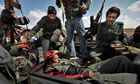
Benghazi rebels feel they are being denied the promised air power and kept in the dark by revolutionary council The chants of the demonstrators in Benghazi and among furious rebel fighters on Libya’s frontline reflected the sudden shift in mood. “Where is Nato?” demanded the same people who only days earlier were waving French flags and shouting “Viva David Cameron”. But behind the growing anger in revolutionary Libya over what is seen as a retreat by the West from air strikes against Muammar Gaddafi’s forces – a fury compounded by two botched Nato raids that killed rebel fighters – there was a second question: where are our leaders? Nato’s failure to use its air power to reverse days of military setbacks for the rebels prompted a collapse in confidence in the West’s intentions among Gaddafi’s foes. Conspiracy theories flew. The West wants a divided Libya so it can control the oil, said some. Turkey, a Nato member, is vetoing air strikes because it supports Gaddafi, said others. Nato denied it was scaling back attacks and explained it faced new challenges in striking Gaddafi’s forces now that they have switched from relying on tanks and heavy armour in favour of smaller fighting units in pick-up trucks that are harder to hit. Not many in the liberated areas of Libya were interested. They were angry – and wanted their leaders to tell the West. But the revolution’s self-appointed chiefs in the interim national council were nowhere to be seen. Eventually it took the leader of the rebels’ armed wing, Abdul Fattah Younis , to voice the anger. “Nato is moving very slowly, allowing Gaddafi forces to advance,” he said. “Nato has become our problem.” The incident highlighted the virtual invisibility of the revolutionary administration to the ordinary people it claims to lead. That was not much of a problem when the uprising appeared to be advancing. But recent setbacks have shaken confidence and raised concerns that Libya might be facing an extended civil war or division, which means divided families among other things. People in rebel-held areas want to know what the revolutionary council – a 31-person body that functions around a core of 11 people who have been publicly named and meet regularly in Benghazi – is doing about it. But they are getting few answers. The council’s two principal leaders, Mahmoud Jibril and Mustafa Abdul Jalil, are hardly visible. Both men are, in any case, regarded by those dealing directly with them as sincere and well-meaning but lacking in either charisma or authority. One person working closely with the council’s day-to-day operations was deeply frustrated at the fact that “they don’t understand the need to communicate with the Libyan people. “They don’t understand that no one knows who they are. These lawyers and doctors in Benghazi who say they are a government, it’s like kids playing dress-up for a lot of them. They don’t understand the need to explain to the people what it is they are doing,” the source

 Posted by
on April 9, 2011. Filed under News, Politics, World News.
You can follow any responses to this entry through the RSS 2.0.
You can skip to the end and leave a response. Pinging is currently not allowed.
Posted by
on April 9, 2011. Filed under News, Politics, World News.
You can follow any responses to this entry through the RSS 2.0.
You can skip to the end and leave a response. Pinging is currently not allowed.