Nigeria election may be turning point
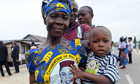
Support of young voters crucial in re-election of Goodluck Jonathan, who must work to heal divided nation and quell unrest The result was no surprise, nor was the unrest – but there were also tentative grounds to hope that last weekend’s Nigerian presidential election signalled a turning point for the underperforming African giant. Goodluck Jonathan retained the presidency with around 57% of the vote. He defeated Muhammadu Buhari , a former military ruler, who polled around 31%. There was deadly rioting in Buhari’s northern, largely Muslim stronghold. Most significant in the long term, however, was the verdict of observers that this has been Nigeria’s fairest election in decades. It was far from perfect, but helped to draw a line under the coups, fraud and vote-rigging of the past. Furthermore, young people had turned out in high numbers to elect a man who claims to represent a break from the old order. Just possibly, this was the week Nigeria took an important step towards fulfilling its immense potential. Few countries fail to punch their weight as dismally as Nigeria. It has Africa’s biggest population at around 150 million. Its economy has grown 6% or 7% over the past few years. It pumps more oil than any other African country, much of it to the US, and has vast untapped mineral resources. But between 1960 and 1999, officials are said to have stolen more than $440bn from the people. Since 1990, the proportion of Nigerians living in poverty has increased from 49% to 77%. The public education and health systems have all but collapsed. Power

 Posted by
on April 19, 2011. Filed under News, Politics, World News.
You can follow any responses to this entry through the RSS 2.0.
You can skip to the end and leave a response. Pinging is currently not allowed.
Posted by
on April 19, 2011. Filed under News, Politics, World News.
You can follow any responses to this entry through the RSS 2.0.
You can skip to the end and leave a response. Pinging is currently not allowed.